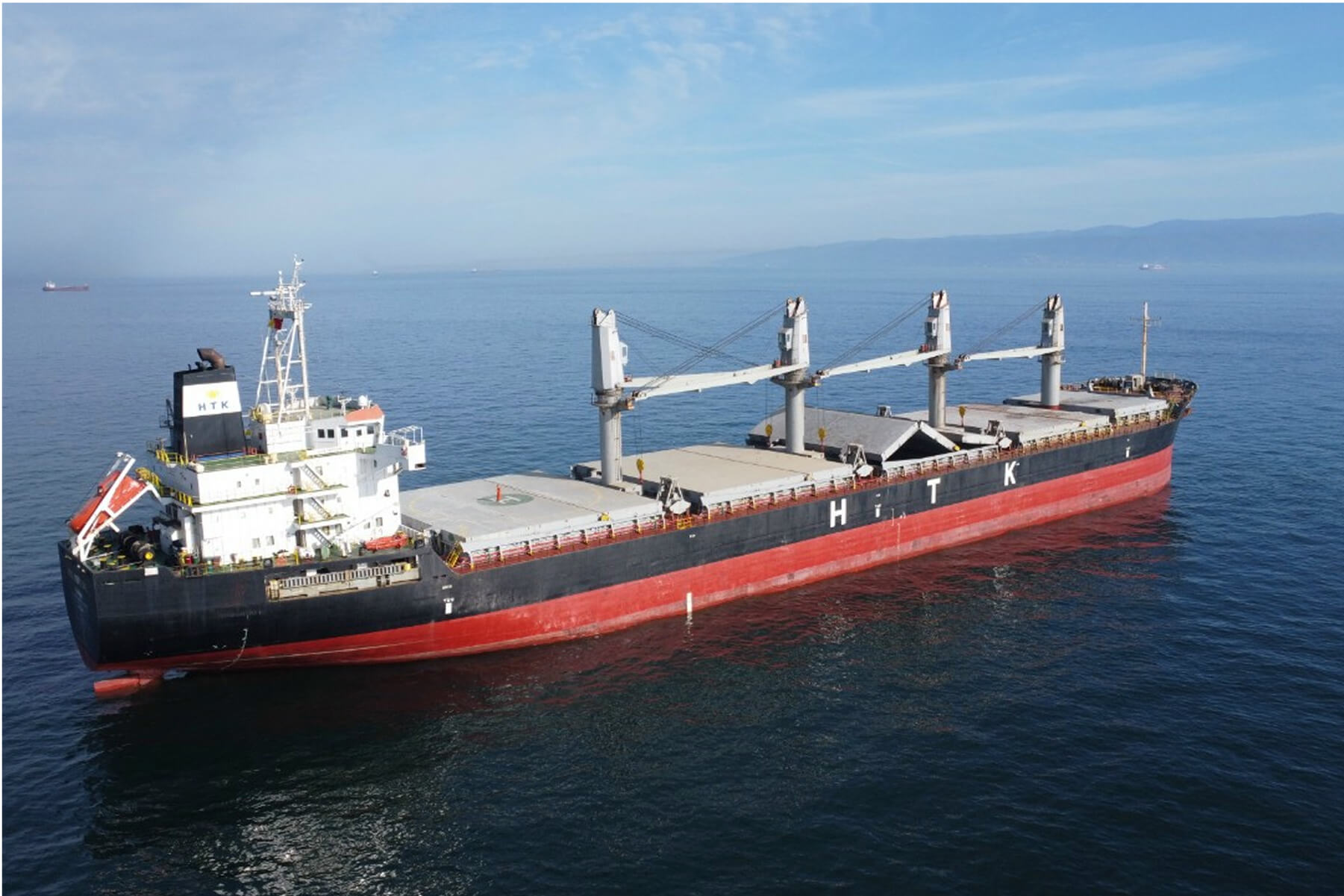
Dry Bulk Shipping: Is Bauxite Trade Under Pressure?
ecent freight rises have began putting pressure on the bauxite trade. In its latest weekly report, shipbroker Intermodal said that “recent developments in the Guinea bauxite trade are introducing a more complex outlook for the Capesize segment, as the interaction between freight costs, commodity pricing and government policy begins to influence trade flows on one of the most important long-haul bulk routes. Guinea has become the dominant supplier in the global bauxite market, with exports reaching about 183 million tonnes in 2025, a yearly increase of roughly 25%. The majority of these volumes moved to China, which continues to rely heavily on imported feedstock to support aluminium production close to its effective capacity ceiling of around 45–46 million tonnes per year. At the same time, Chinese bauxite imports reached record levels above 200 million tonnes, highlighting the scale of the trade supporting Capesize employment”.

Source: Intermodal
However, according to Intermodal’s Head of Research Department, Mr. Yannis Parganas, “the economics of this flow have recently come under pressure. Freight costs on the Guinea–China route have risen sharply, with voyage levels reportedly moving from the mid-$20s per tonne range in early March to above $30 per tonne within a short period, largely reflecting higher bunker prices following geopolitical tensions in the Middle East. Fuel costs have increased substantially, with very low sulphur fuel oil and marine gasoil prices rising significantly within weeks, directly increasing voyage expenses. At current price levels, the delivered economics of Guinean bauxite into China appear increasingly tight. With Chinese import prices holding around the mid-$60 per tonne range and FOB Guinea values near the low-$30s per tonne, the margin available to producers after freight is becoming limited, as rising freight costs effectively capping any upside in FOB returns. This raises questions about the sustainability of marginal export volumes if freight remains elevated”.
“There are already some early indications that tightening export economics may be starting to affect cargo availability and vessel deployment. A smaller number of available Atlantic basin cargoes has been reported in recent weeks compared to late February, while some operators appear to be favouring Pacific employment rather than ballasting back to West Africa. This reflects both fuel economics and the relative attractiveness of Pacific trading opportunities.

At the same time, policy developments within Guinea could become an additional variable for shipping markets. Authorities are considering mechanisms to better control export volumes following the sharp expansion in production seen over the past two years, which contributed to weaker bauxite prices. Global bauxite prices have reportedly fallen between 20% and 50% from 2025 highs as supply growth outpaced demand growth. Possible measures under discussion include aligning exports more closely with licensed production plans and potentially introducing quotas for large producers. While no final framework has been confirmed, the direction of policy suggests a preference for managing volumes to stabilise prices and government revenues. Similar approaches have already been seen in other mineral exporting countries (Indonesia, DRC, Zimbabwe) seeking greater control over commodity cycles”, Mr. Parganas said.
He added that “from a shipping perspective, any meaningful limitation of Guinean exports could affect one of the most tonne-mile intensive dry bulk trades. Guinea accounts for more than 40% of global bauxite supply and remains the largest supplier to China, meaning even modest percentage adjustments in export volumes could influence Capesize utilisation. That said, the impact is unlikely to be straightforward. Guinea’s export capacity continues to expand, with some projections suggesting potential shipments could still approach or even exceed 200 million tonnes in 2026 as previously disrupted mining operations resume and infrastructure improves. This suggests that unless strict production limits are enforced, volume growth could continue despite weaker pricing”.

Source: Intermodal
“Another important consideration is substitution risk. Any supply discipline from Guinea could be partly offset by alternative exporters such as Australia or Brazil, limiting the overall reduction in seaborne volumes while potentially changing trade patterns rather than reducing total demand for ships. Overall, the Guinea–China bauxite trade remains a structurally important driver for Capesize demand, but short-term developments point to increased volatility. Freight costs, government intervention and commodity price pressure are now interacting more directly, creating a less predictable environment for both miners and shipowners”, Intermodal’s analyst concluded.
Nikos Roussanoglou, Hellenic Shipping News Worldwide
Other news

5 Important Responsibilities Of Ship Agents

10 Strait Of Hormuz Facts You Must Know
Maritime Industry Outlook in 2026: Opportunities or Challenges for Vietnamese Shipowners?

Caribbean authorities enhance search and rescue coordination