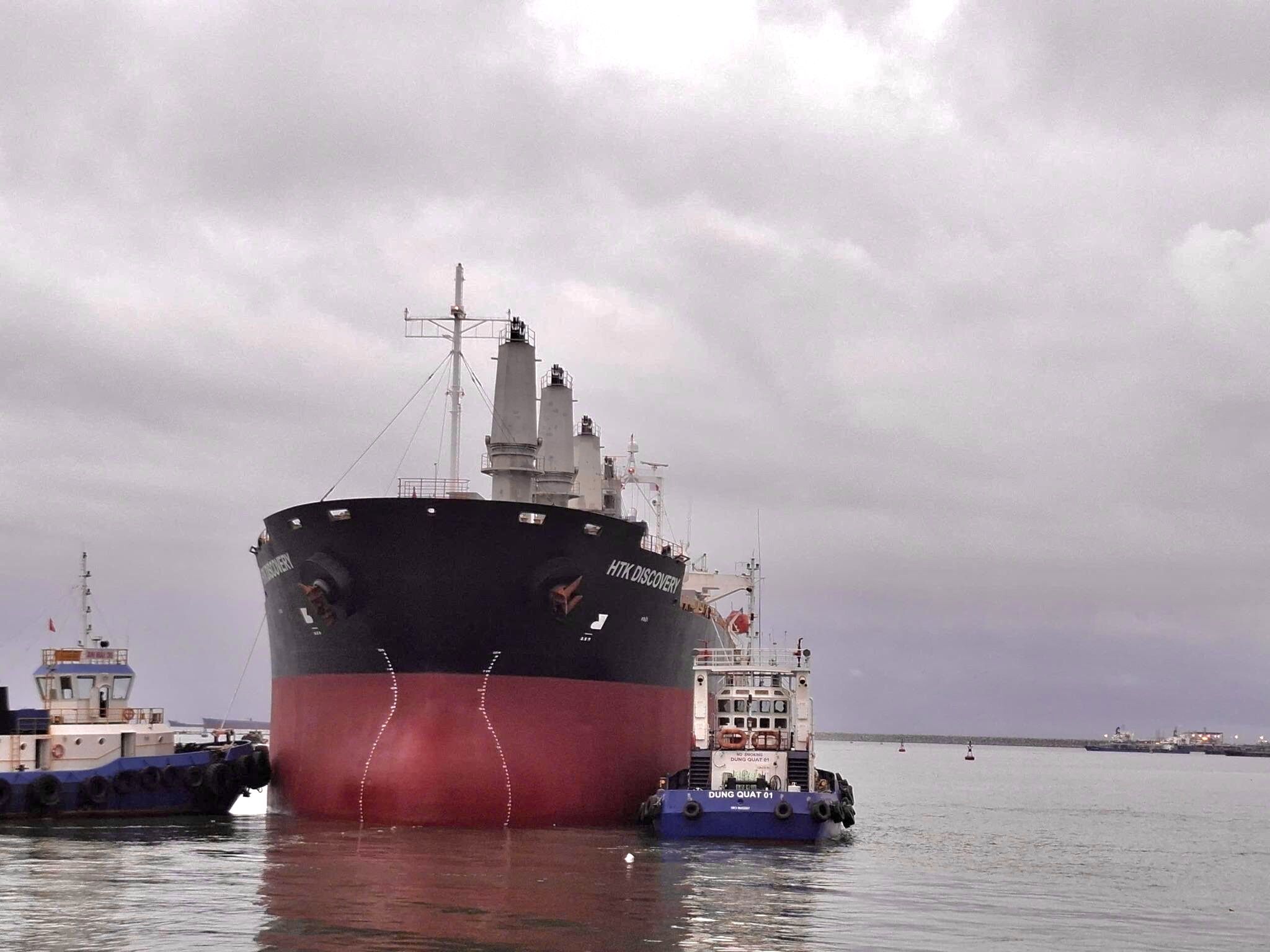
India’s coal imports from Russia have increased almost threefold
PTI cited a report from research firm BigMint, stating that India’s imports of metallurgical coal from Russia have tripled over the past three years, reaching around 15.1 million tonnes in the 2023-2024 fiscal year, primarily due to lower prices, while imports from Australia declined.

Coal being transported at Vladivostok port in Russia’s Far East. Photo: AFP/TTXVN
Metallurgical coal imports from Russia—including coking coal and pulverized coal injection (PCI) coal—stood at 5.1 million tonnes, accounting for 8% of India’s total 65.6 million tonnes of coal imports in 2021-2022. These imports rose to 11.3 million tonnes (16% of 69.9 million tonnes) in 2022-2023 and further increased to 15.1 million tonnes (21% of 73.2 million tonnes) in 2023-2024.
Australia, India’s primary coal supplier, saw its exports to India drop. It supplied 50.7 million tonnes (77% of India’s total imports) in 2021-2022, but shipments fell to 42.2 million tonnes (60% share) in 2022-2023 and further declined to 40.4 million tonnes (55% share) in 2023-2024.
Iron ore and metallurgical coal (met coal) are essential raw materials for steel production, and India relies heavily on imports to meet domestic demand.
Key Drivers of Rising Russian Coal Imports
BigMint analysts attribute the surge in Russian coal imports to cost advantages. A BigMint analyst noted that Russian coal is cheaper, reducing costs for domestic steelmakers. However, another analyst warned that imports from Russia may decline in the long run due to expected export duties on Russian coal and rising logistics costs.
Industry Responses
-
SAIL Chairman Amarendu Prakash told PTI that the company imported 8 shipments of Russian coking coal (75,000 tonnes each, totaling 600,000 tonnes) in the first two quarters of FY2024.
-
Tata Steel has also tested Russian coking coal in steel production.
-
VR Sharma (Jindal Steel & Power – JSP) said India could meet 50% of its coking coal demand from Russia.
Outlook
While cheaper Russian coal is currently benefiting Indian steelmakers, future export taxes and logistics challenges may reduce its competitiveness. Meanwhile, Australia’s declining market share reflects shifting trade dynamics in India’s metallurgical coal imports.
Other news
New Technologies And Approaches To Vessel Protection
Dry Bulk Shipping: Is Bauxite Trade Under Pressure?

5 Important Responsibilities Of Ship Agents
10 Strait Of Hormuz Facts You Must Know