
Shipping News
Dry Bulk Shipping: Is Bauxite Trade Under Pressure?
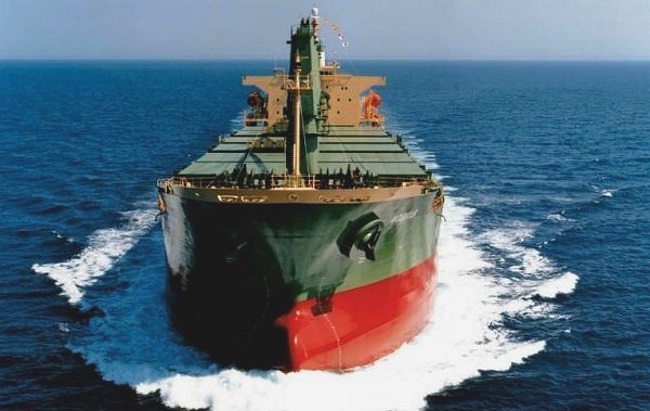
ecent freight rises have began putting pressure on the bauxite trade. In its latest weekly report, shipbroker Intermodal said that “recent developments in the Guinea bauxite trade are introducing a more complex outlook for the Capesize segment, as the interaction between freight costs, commodity pricing and government policy begins to influence trade flows on one of the most important long-haul bulk routes. Guinea has become the dominant supplier in the global bauxite market, with exports reaching about 183 million tonnes in 2025, a yearly increase of roughly 25%. The majority of these volumes moved to China, which continues to rely heavily on imported feedstock to support aluminium production close to its effective capacity ceiling of around 45–46 million tonnes per year. At the same time, Chinese bauxite imports reached record levels above 200 million tonnes, highlighting the scale of the trade supporting Capesize employment”. Source: Intermodal However, according to Intermodal’s Head of Research Department, Mr. Yannis Parganas, “the economics of this flow have recently come under pressure. Freight costs on the Guinea–China route have risen sharply, with voyage levels reportedly moving from the mid-$20s per tonne range in early March to above $30 per tonne within a short period, largely reflecting higher bunker prices following geopolitical tensions in the Middle East. Fuel costs have increased substantially, with very low sulphur fuel oil and marine gasoil prices rising significantly within weeks, directly increasing voyage expenses. At current price levels, the delivered economics of Guinean bauxite into China appear increasingly tight. With Chinese import prices holding around the mid-$60 per tonne range and FOB Guinea values near the low-$30s per tonne, the margin available to producers after freight is becoming limited, as rising freight costs effectively capping any upside in FOB returns. This raises questions about the sustainability of marginal export
5 Important Responsibilities Of Ship Agents
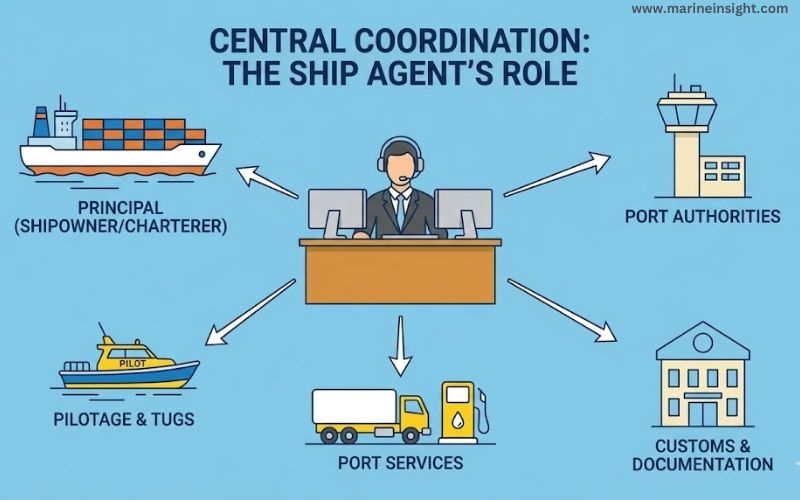
In modern shipping, port calls involve far more than a vessel’s physical arrival and departure. Each call requires coordination between shipowners, charterers, port authorities, service providers, and regulators. At the centre of this coordination sits the ship agent, often working quietly in...
10 Strait Of Hormuz Facts You Must Know
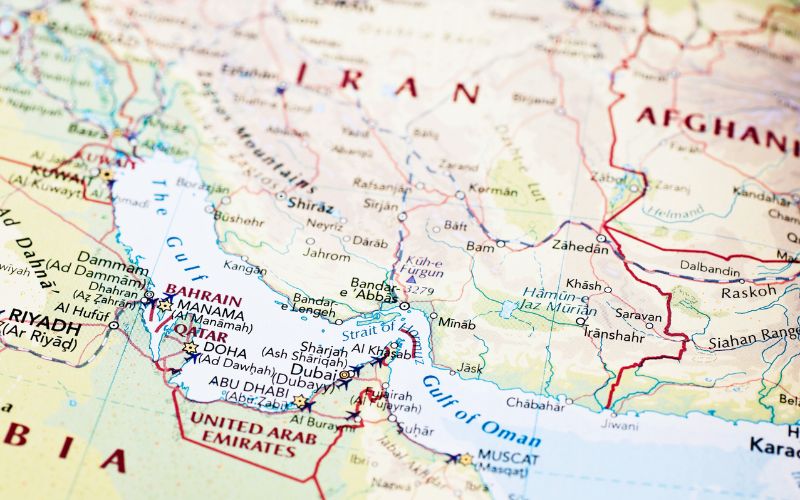
Situated between the Persian Gulf and the Gulf of Oman, the Strait of Hormuz offers the only route for ships sailing from the Persian Gulf to the open ocean waters. It has been a vital conduit of maritime trade for centuries and has been...
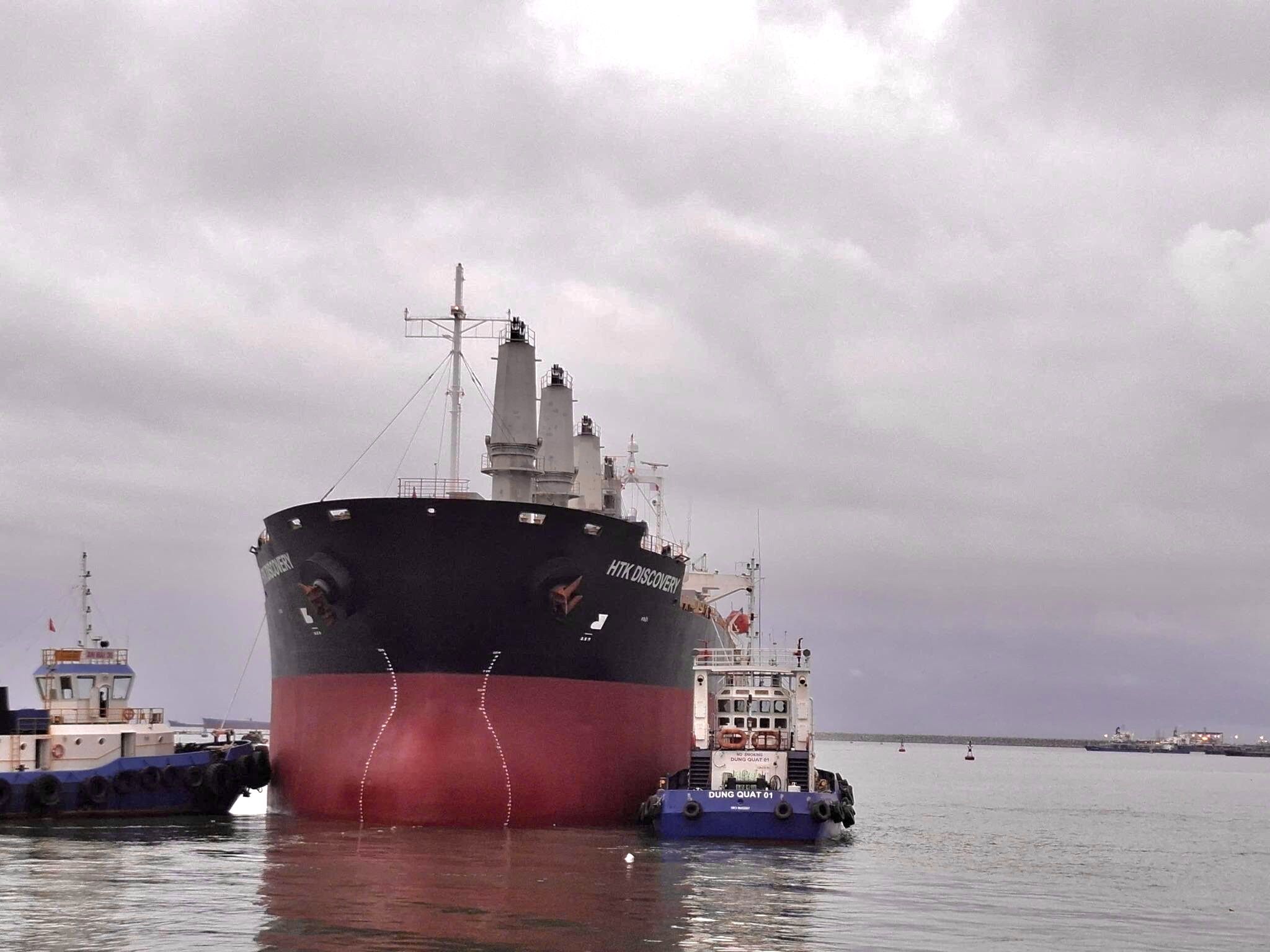
Maritime Industry Outlook in 2026: Opportunities or Challenges for Vietnamese Shipowners?
As we look toward 2026, the dry-bulk and wider maritime sector face two major pressures: slowing cargo growth and an expanding global orderbook, with many new vessels designed to be future-fuel ready. For shipowners and operators, this means tighter market...
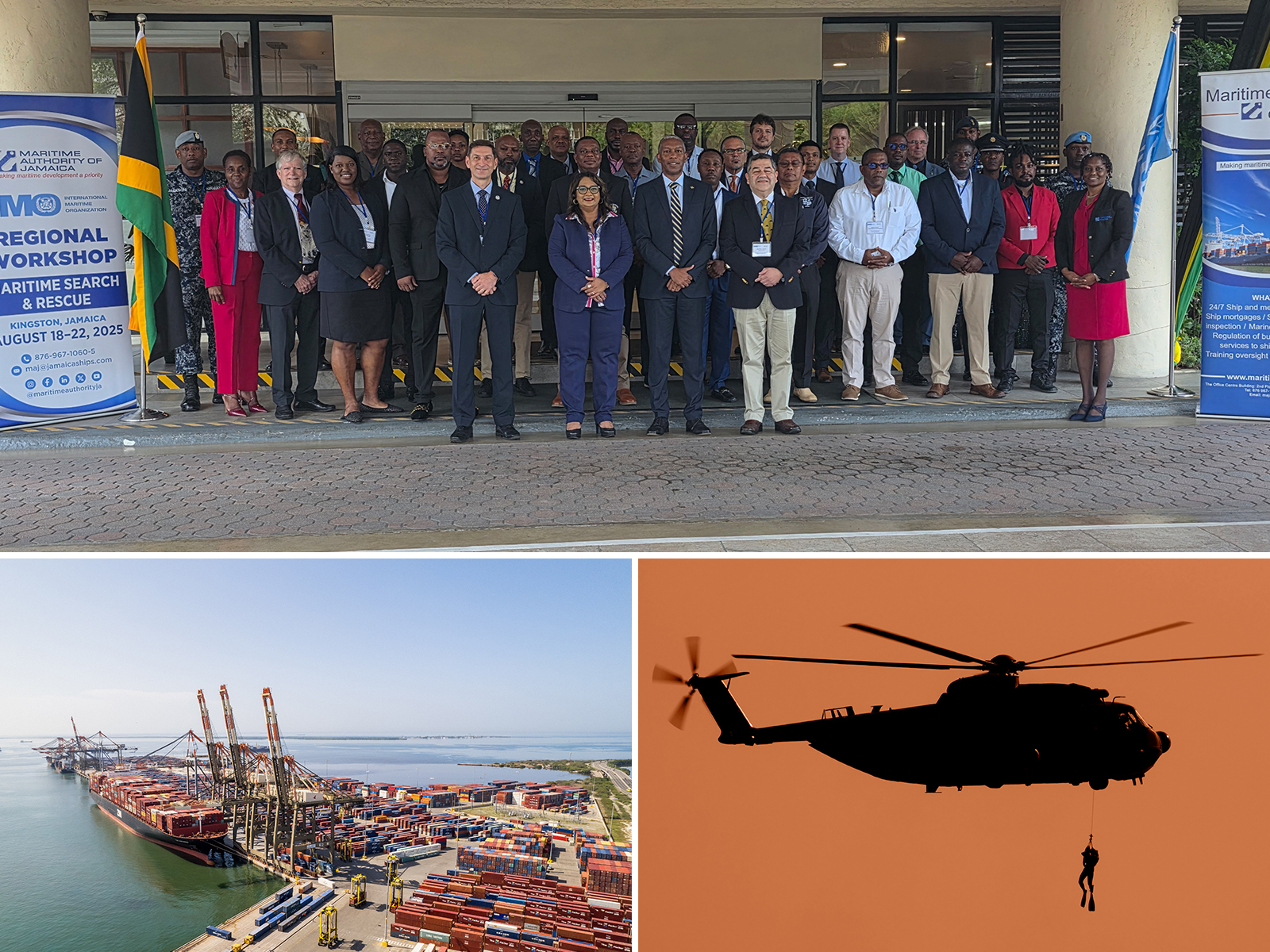
Caribbean authorities enhance search and rescue coordination
Maritime authorities from across the Caribbean are gathered in Kingston, Jamaica (18–22 August), to strengthen coordination and response in maritime search and rescue (SAR) operations, in a region which faces unique challenges in SAR operations due to its geographical spread, reliance...
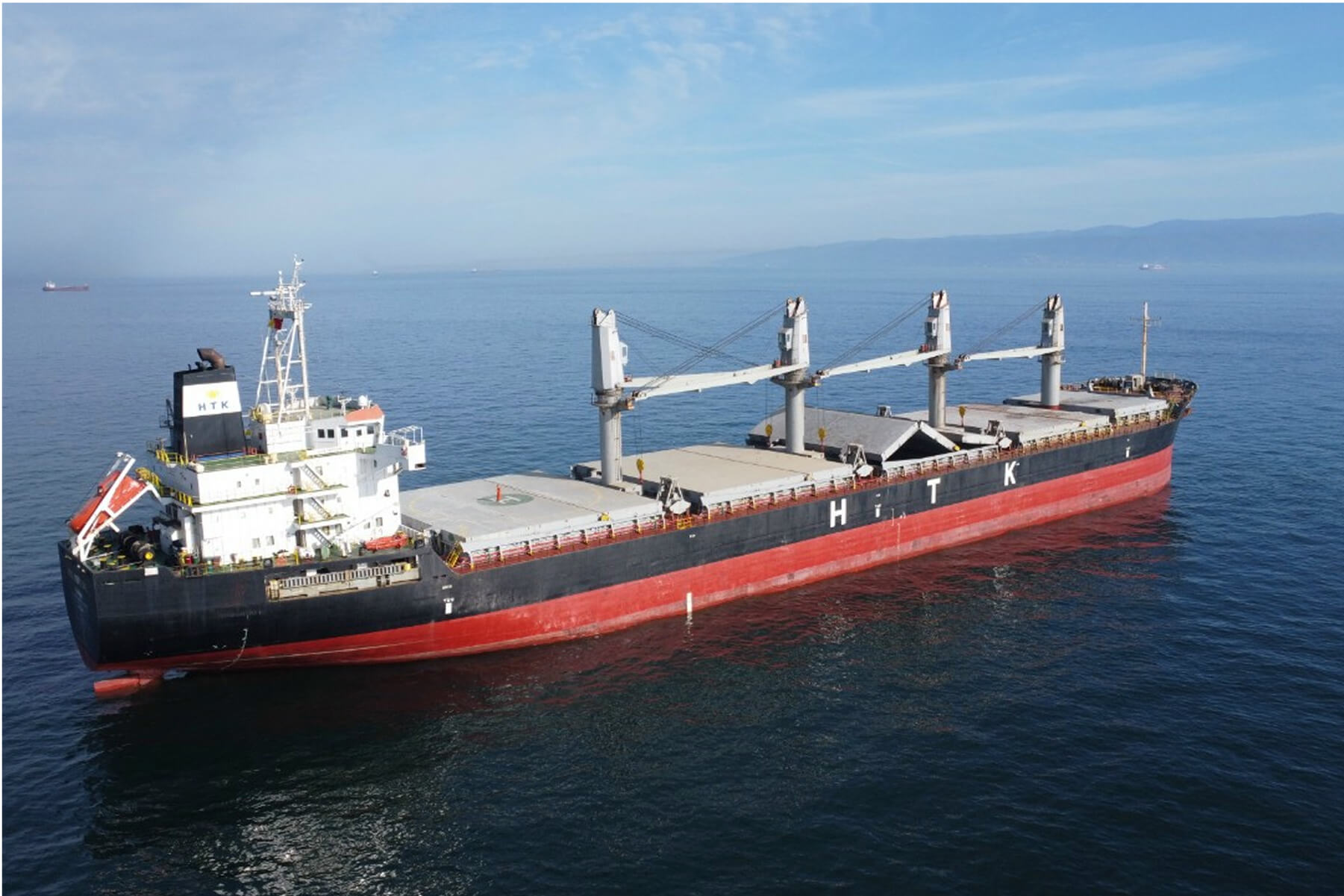
Shipping Markets Outlook for H2 2025 – Navigating Geopolitical Tensions, Trade Policies, and Sector Dynamics
This article is summarised from the podcast of Seatrade Maritime News on July, 2025 hosted by Marcus Hand
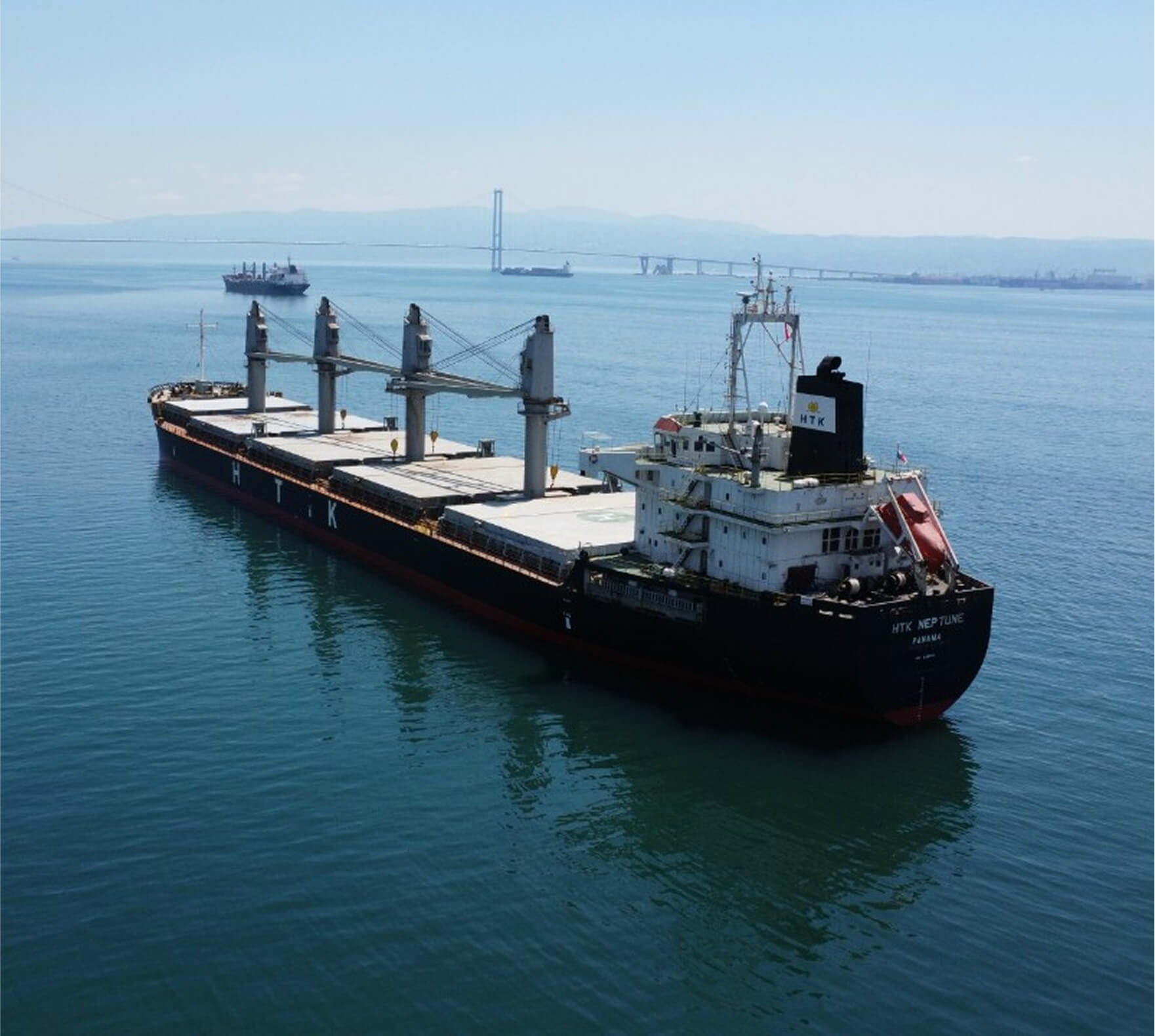
85% of the Market Overlooked: A Golden Opportunity for Businesses in the Maritime Industry
Many Believe the Global Shipping Industry Is Dominated by a Handful of Giants – But That’s Only Part of the Picture This perception may hold true in the standardized container shipping segment, but it doesn’t fully reflect the broader landscape...
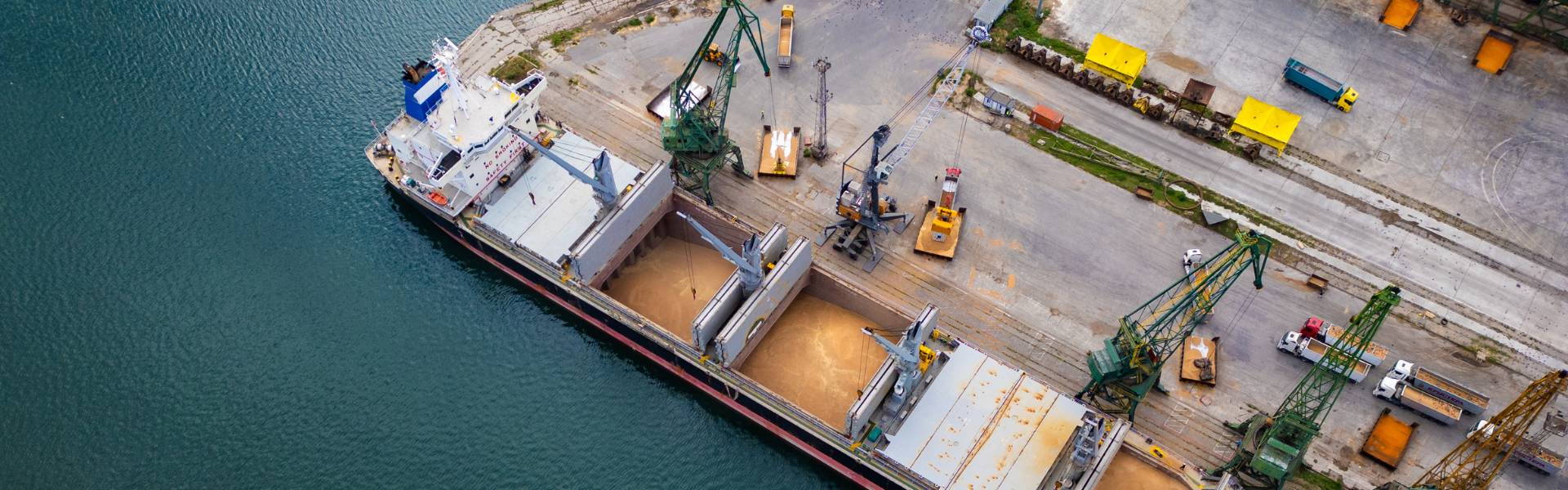
Bulk Cargo Sea Transport: Key Role in Vietnam’s Maritime Economy
Sea transport is one of Vietnam’s spearhead economic sectors, contributing significantly to the national economic development. Among its branches, bulk cargo transport is indispensable, playing a crucial role in moving essential commodities such as coal, ores, grains, cement, fertilizers, and...
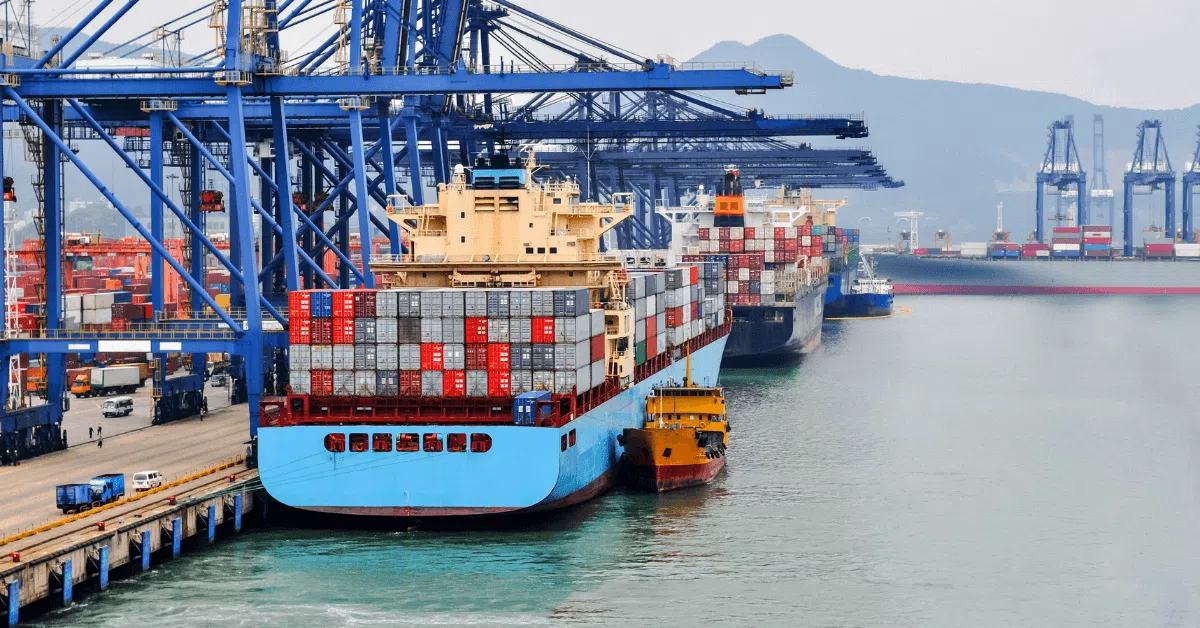
Denmark Sets Aside $1 Billion To Insure Its Ships During War Or Crisis
Denmark has announced a big plan to support its shipping industry in case of potential conflicts. The government plans to set aside nearly $1 billion to insure Danish cargo ships if private insurance companies stop offering coverage during dangerous situations....
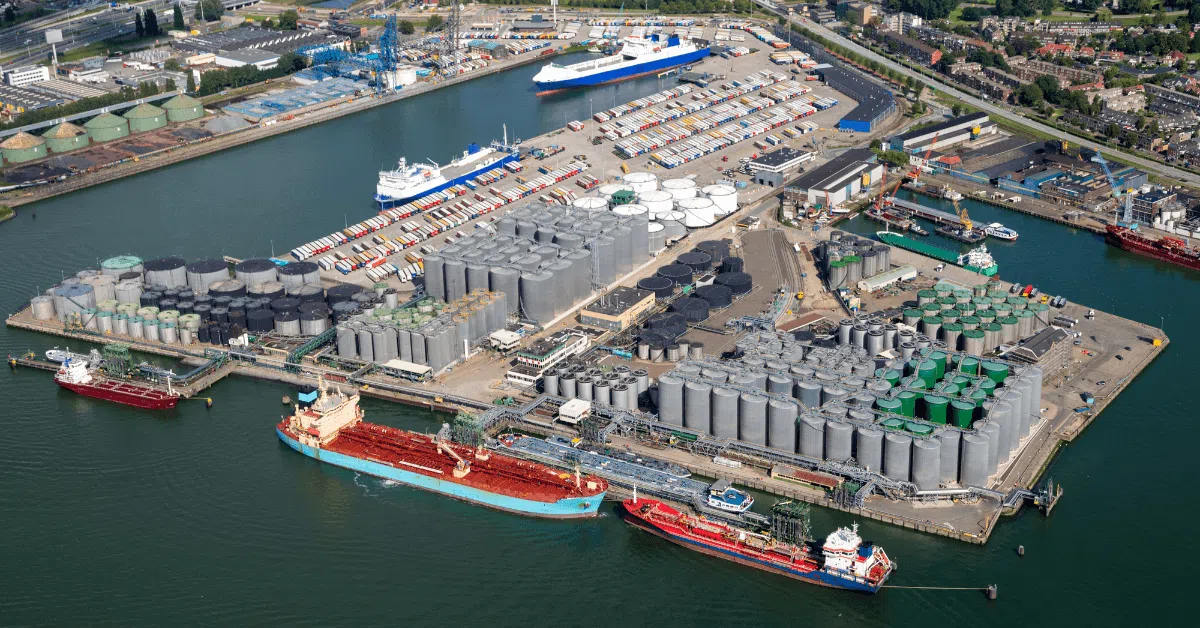
India Partners With Port Of Rotterdam To Launch Green & Digital Trade Corridor
India is planning to create a Green and Digital Corridor with the Port of Rotterdam in the Netherlands, which would be used to export green hydrogen and its carriers like ammonia and methanol to Europe. The initiative aims to make...